
Documentary photography is a powerful medium that transcends traditional image-making to tell compelling, authentic stories. Unlike posed or commercial photography, documentary-style images capture raw moments—often candid and unfiltered—that evoke genuine emotion and insight. The craft involves not only capturing the scene but sculpting a visual narrative through composition and thoughtful photo editing. This artful balance of storytelling and technical skill distinguishes the genre.
At its core, documentary photography chronicles real-life environments, people, and events with honesty. It often involves long-term projects capturing complex social issues, protests, cultural rituals, or everyday life scenes. Photographers like Dorothea Lange and Sebastião Salgado pioneered this approach, creating images that sparked empathy and societal awareness. Today, the genre continues to thrive, with modern storytellers aiming to reveal underlying truths through their lenses.
Effective storytelling in documentary work begins with deliberate composition. Utilising panorama stitching, photographers can capture expansive scenes that immerse viewers in the environment, adding depth and context. Wide-angle shots establish the setting, while close-ups isolate emotions and expressions to convey personal stories. The use of the rule of thirds, leading lines, and framing directs the viewer’s focus through the unfolding narrative, creating a visual journey across the series.
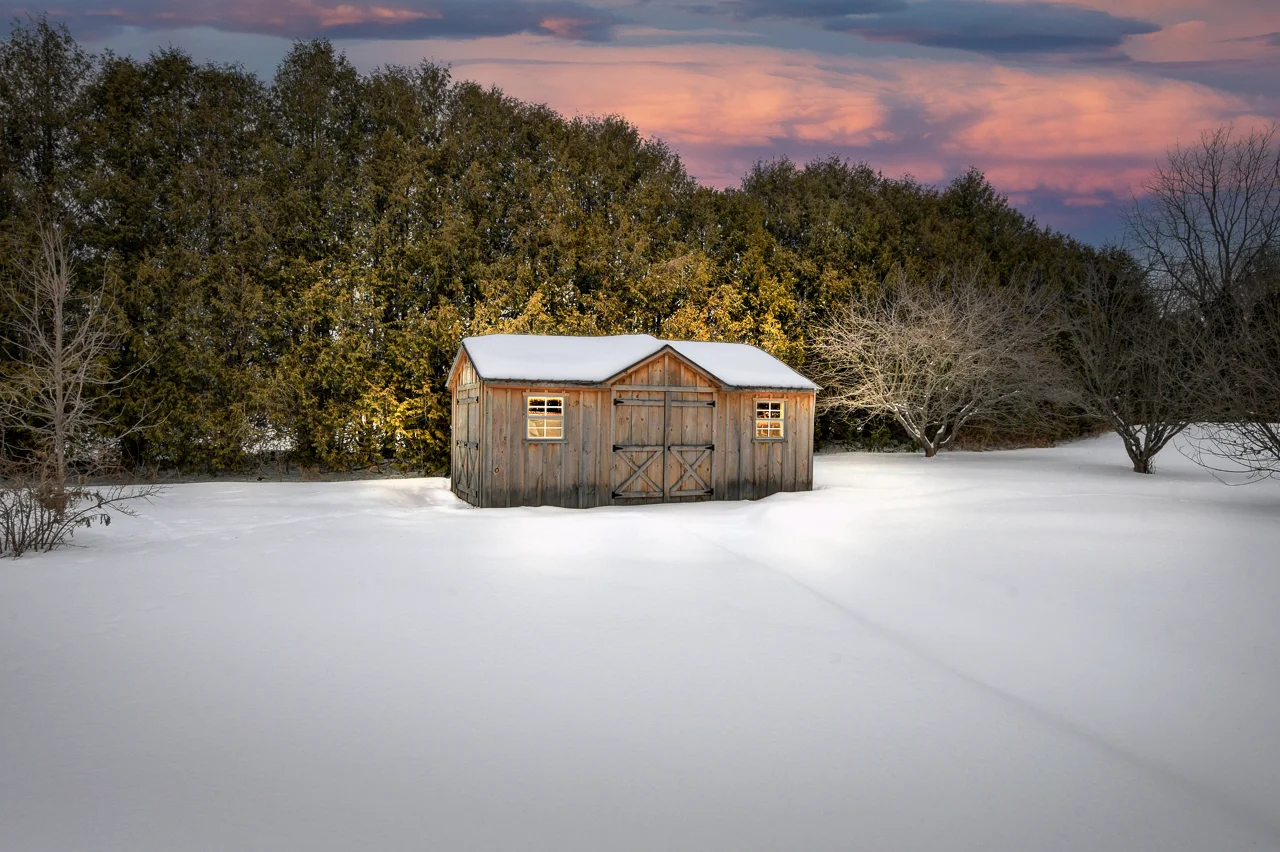
Crucial to the process is photo editing, which should enhance the story without compromising authenticity. Image masking allows precise edits, like spotlighting key subjects or reducing distracting elements without altering the truth. Techniques such as day to dusk effects subtly transform lighting and mood, imbuing images with an evocative atmosphere that complements the story, such as shifting the tone from hopeful morning scenes to somber twilight reflections.
In documentary storytelling, restraint in digital photo enhancement is vital. Unlike heavily stylized commercial edits, documentary images require subtlety—enhancing clarity, balancing exposure, and emphasising natural textures without over-processing. The integrity of the story must remain intact, ensuring that the emotions and context captured are truthful and relatable. For example, retaining natural skin tones and environmental details helps the viewer connect with the subject’s reality.
Narrative cohesion often comes from presenting photos as a chronological series. Each image builds on the last, guiding the viewer through a beginning, middle, and end. This sequencing may be supplemented by clipping path adjustments for clean subject isolation or path fixing to correct imperfections that could distract from the story. The ultimate goal is a flowing visual essay that educates, inspires, and provokes thought.
Beyond technical tips, documentary photography demands ethical sensitivity. Capturing people’s lives with dignity, gaining consent, and avoiding exploitation are crucial responsibilities for documentary photographers. Storytelling should provide a voice to marginalised communities or illuminate overlooked issues without sensationalising or distorting reality.
Technological advances also support documentary work. Drones equipped with high-definition cameras and drone photo enhancement software provide unique aerial perspectives, revealing new spatial dimensions to stories. Meanwhile, mobile editing apps enable photographers to make last-minute item removals or fine-tune colours in the field—cautioning, however, against edits that could alter factual integrity.
In conclusion, documentary-style storytelling through photography blends art and journalism. Its power lies in the ability to communicate complex narratives and human experiences visually. Mastery of photo editing, ethical storytelling practices, and compelling composition equips photographers to create lasting impressions that move and inform viewers worldwide. Through careful narrative crafting and restrained enhancement, documentary photography serves as both archive and advocate, shining a light on reality as it unfolds.
Hashtags: #DocumentaryPhotography #VisualStorytelling #TrueStories #PhotoEditing